

FAQs about Hazardous Tree Removal in Plano, TX
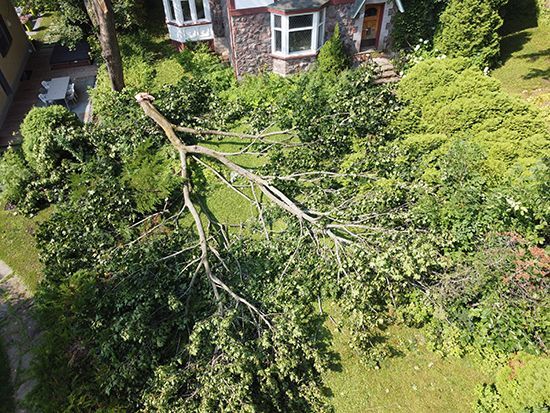
Storm damage, disease, structural weakness, or poor location can turn a big tree into a serious liability. Because hazardous tree removal involves safety concerns and specialized techniques, many homeowners have questions about the process. At Hernandez Tree Experts, we’re happy to answer your questions about hazardous tree removal in the greater Plano area.
What Makes a Tree Considered Hazardous?
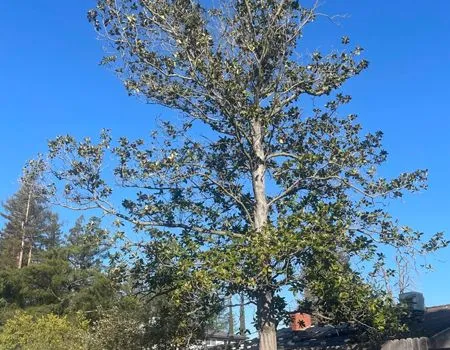
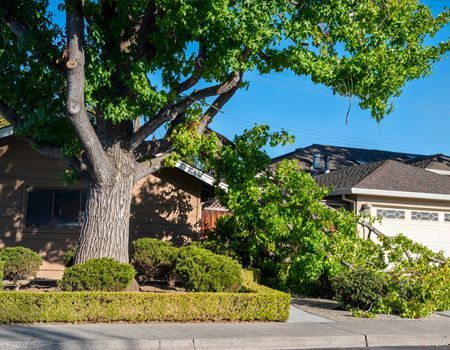
A tree is typically labeled hazardous when it has a high risk of falling or dropping large limbs. Warning signs include large dead branches, deep cracks in the trunk, hollow or decayed wood, severe leaning, or exposed and damaged roots. Trees that have been struck by lightning or heavily damaged during storms may also be structurally unstable. In some cases, a tree may be healthy but considered hazardous due to its proximity to a house, driveway, or power lines. An arborist can evaluate the level of risk and recommend whether removal is necessary.
Why Is Hazardous Tree Removal So Dangerous?
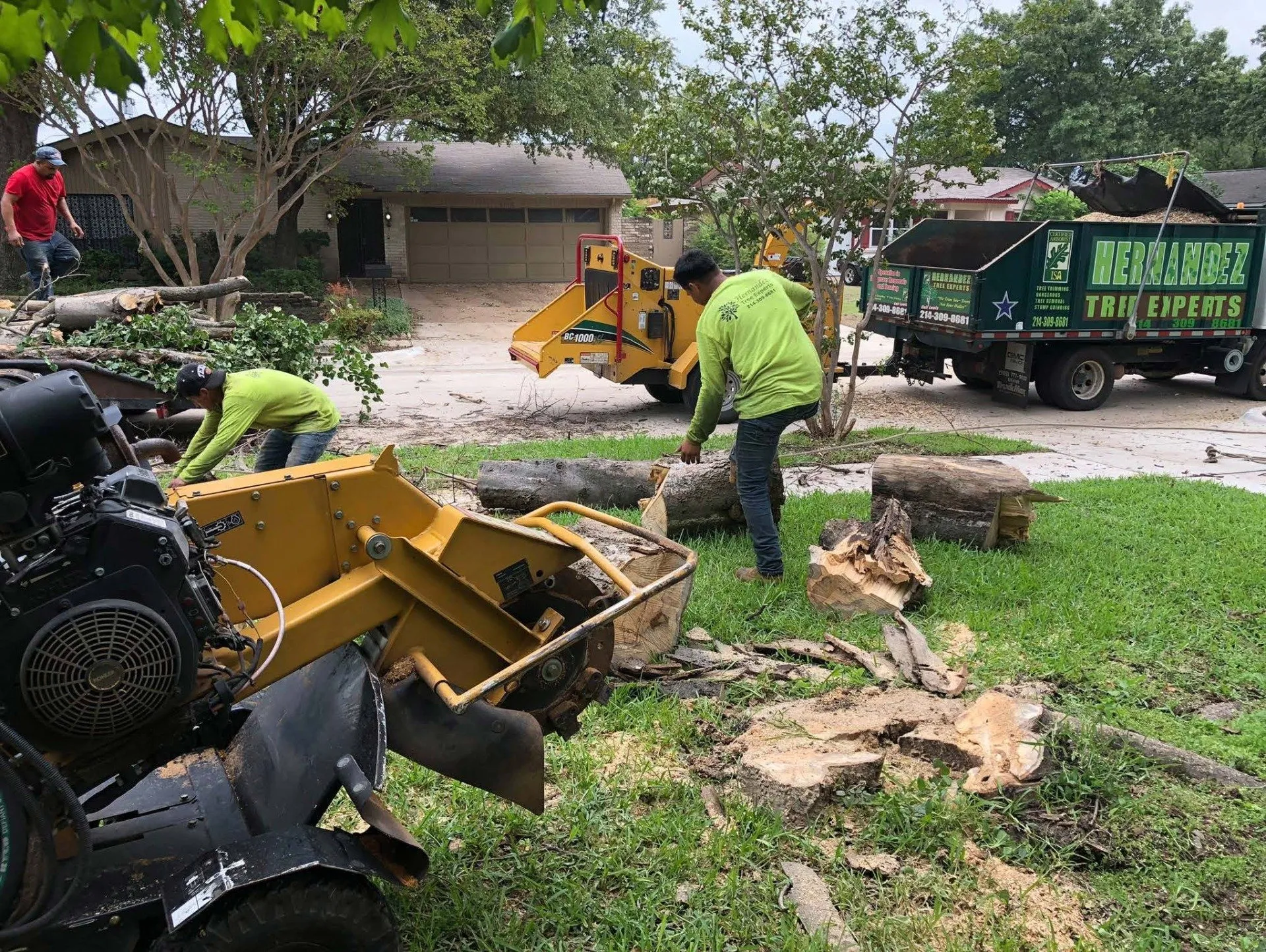
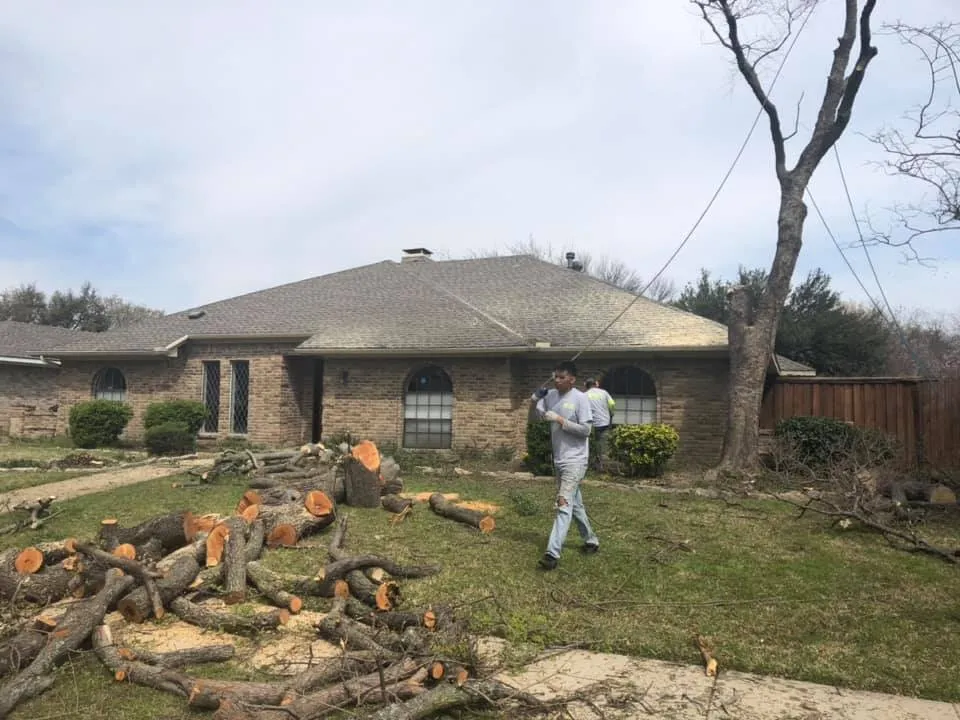
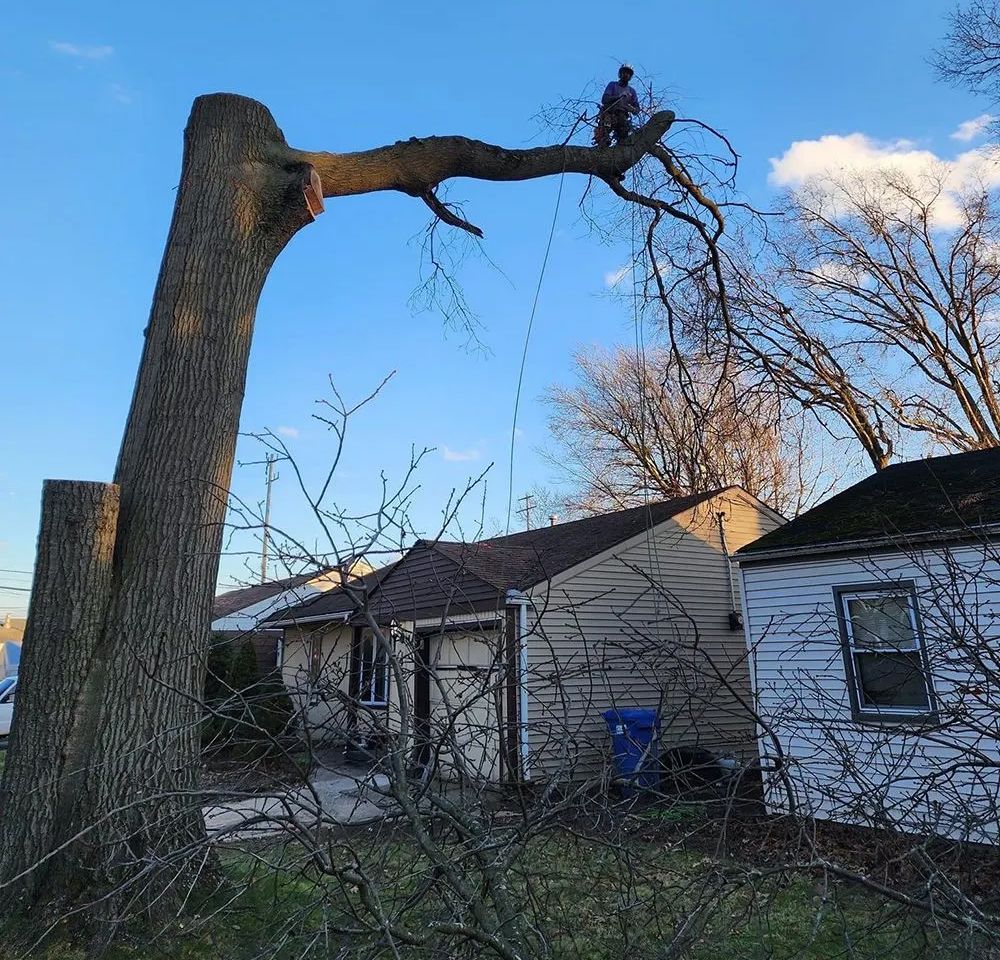
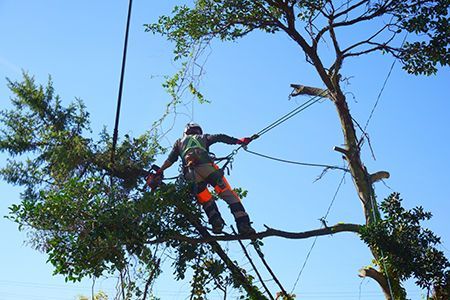
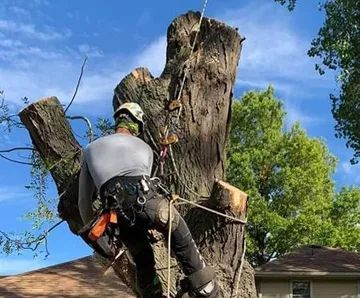
Removing a hazardous tree is far more complex than cutting down a healthy one. Weak or decayed wood can break unpredictably, potentially making the tree more difficult to control during removal. Limbs may snap under their own weight or shift suddenly while being cut. Working near buildings, fences, or utility lines adds another layer of risk. Professional crews use specialized equipment and safety procedures to manage these dangers.
Can Hazardous Trees Be Saved Instead of Removed?
In some situations, a hazardous tree can be stabilized rather than removed. Techniques such as pruning dead or weak branches, installing support cables, or improving soil conditions may reduce risk. However, if the tree has significant structural damage, advanced decay, or severe root failure, removal is often the safest option. An arborist can determine whether mitigation is possible or if the tree poses too great a threat to remain in place.
What Should I Do If I Suspect a Tree Is Hazardous?
If you notice signs of instability or damage, it’s best to schedule a professional inspection as soon as possible. Avoid parking vehicles or spending time beneath the tree until it has been evaluated. Early action can prevent emergencies, especially before severe weather. Prompt professional assessment and removal when needed can protect your home, your family, and your neighbors from potential harm.
Where Can I Find Hazardous Tree Removal in Plano, TX?
For expert tree removal in Plano, TX and the surrounding area, contact
Hernandez Tree Experts at
(214) 309-8681. Feel free to give us a call to arrange an
arborist estimate in Plano!