

5 Warning Signs a Tree Is More Likely to Crash Down in High Winds
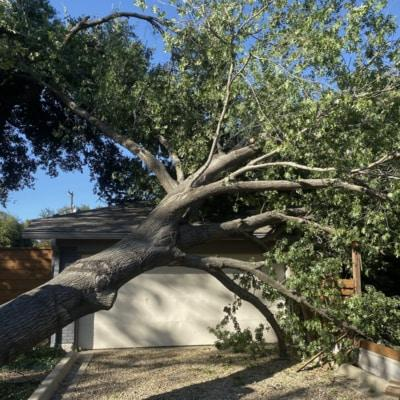
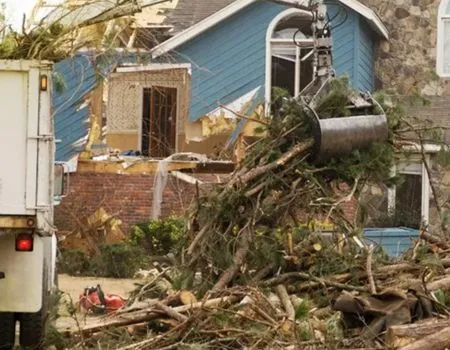
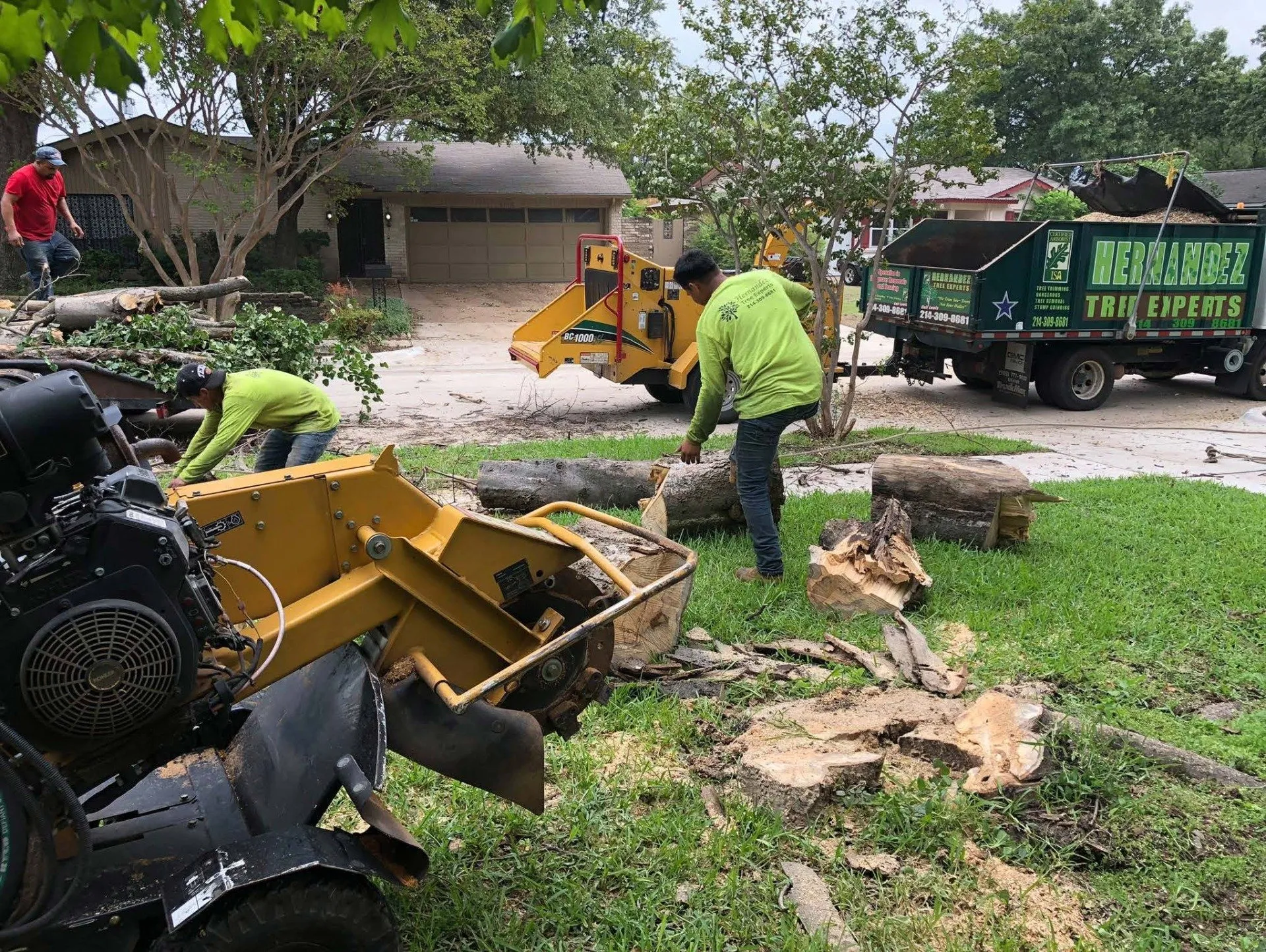
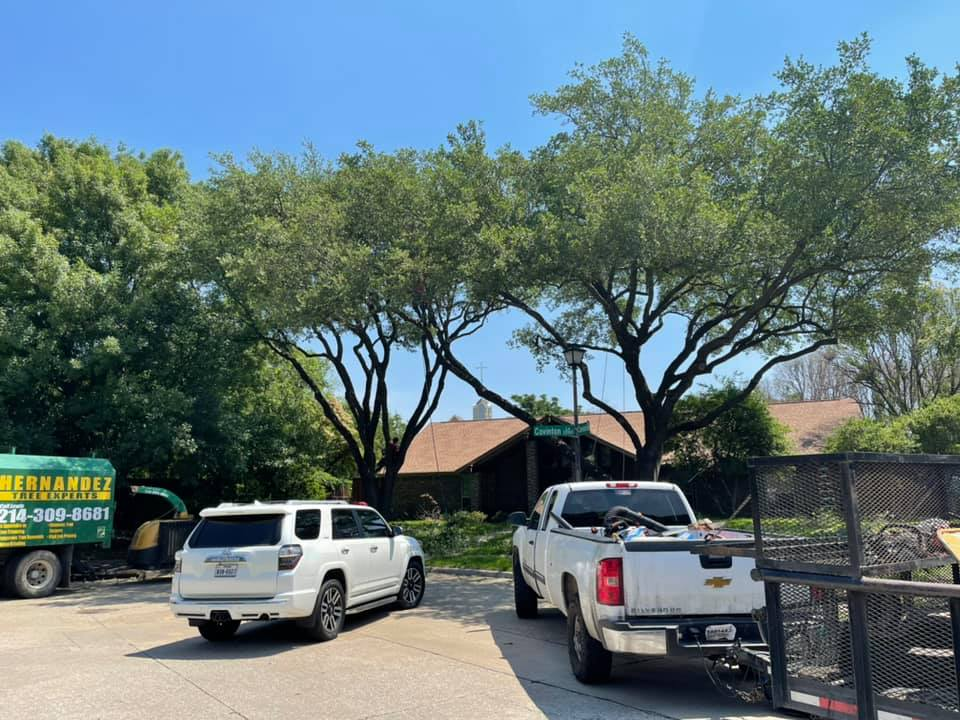
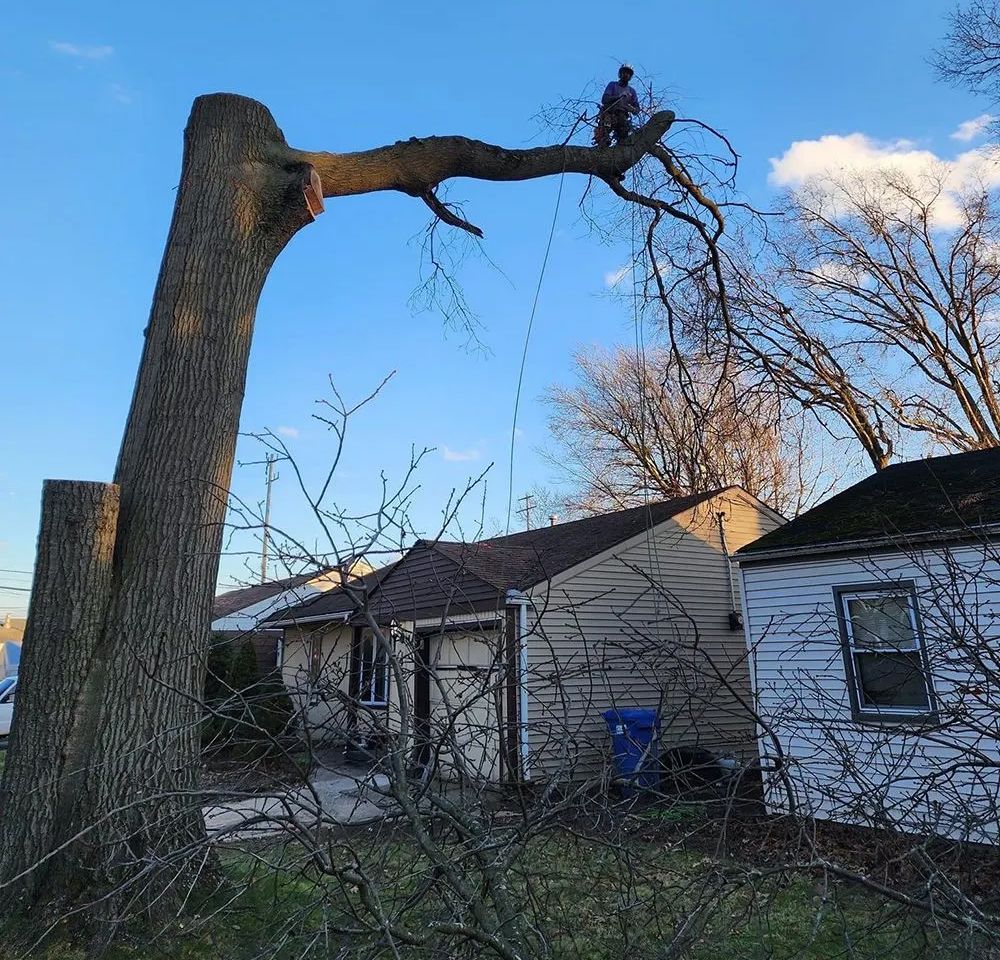
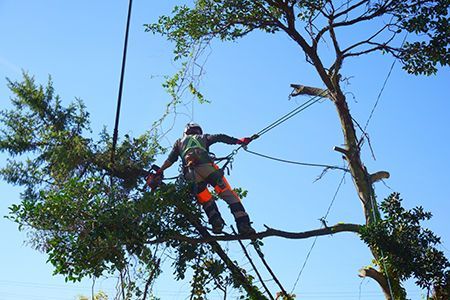
Healthy trees can withstand surprisingly strong winds, but trees with structural weaknesses are much more likely to fail during storms. Falling trees and large branches can cause significant property damage, power outages, and serious injuries. The good news is that many hazardous trees display warning signs before they collapse. Recognizing these indications can help you take action before severe weather strikes. At Hernandez Tree Experts, we provide expert hazardous tree removal in the greater Plano area. Here are five signs that a tree may be more likely to crash down in high winds.
A Significant Lean
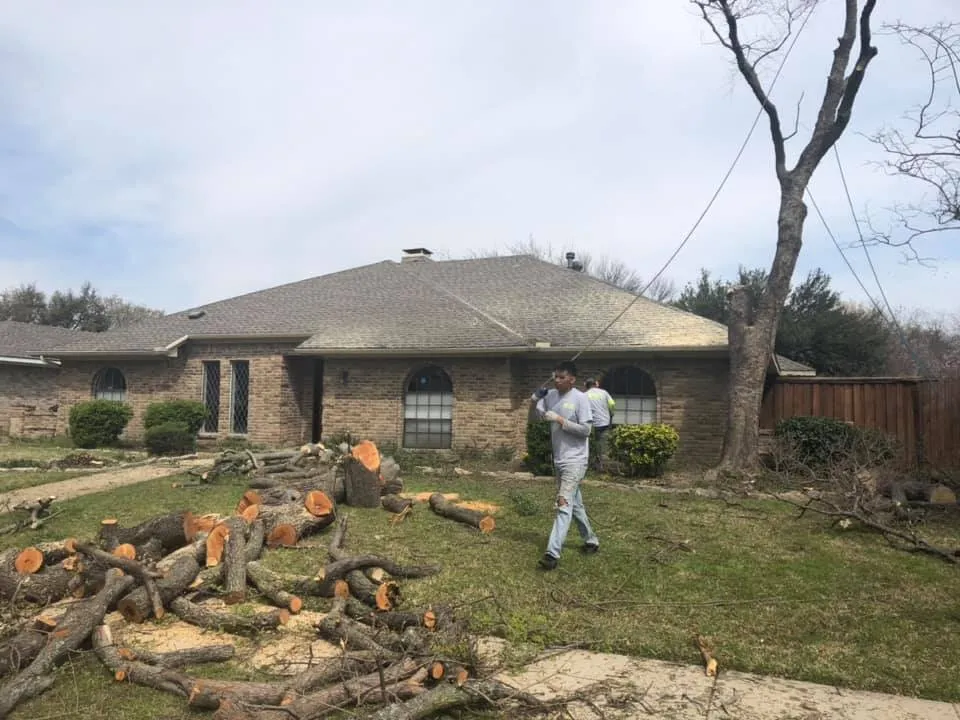
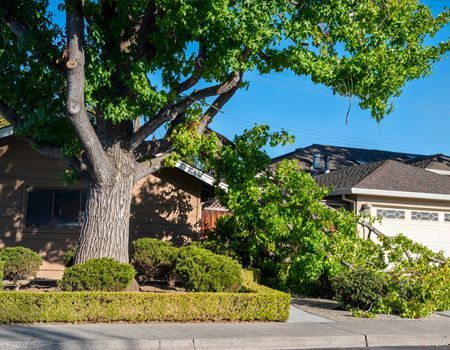
While some trees naturally grow at an angle, a tree that has recently begun leaning or has developed a pronounced lean may have stability issues. Sudden leaning can indicate root damage, soil movement, or structural weakness. Trees that lean toward homes, driveways, or other structures should especially be evaluated by a professional arborist as soon as possible.
Trunk Cracks or Decay
Cracks, cavities, and areas of decay in the trunk can compromise a tree's structural integrity. These issues weaken the tree's ability to withstand wind forces and increase the likelihood of trunk failure. Fungal growth around the trunk is also a common indication of internal decay.
Root Problems
A tree's roots provide the foundation that keeps it upright. Exposed roots, severed roots, soil heaving around the base, and visible root decay can all indicate instability. If the root system is compromised, even a healthy-looking tree may be at risk of uprooting during a windstorm.
An Unbalanced or Overgrown Canopy
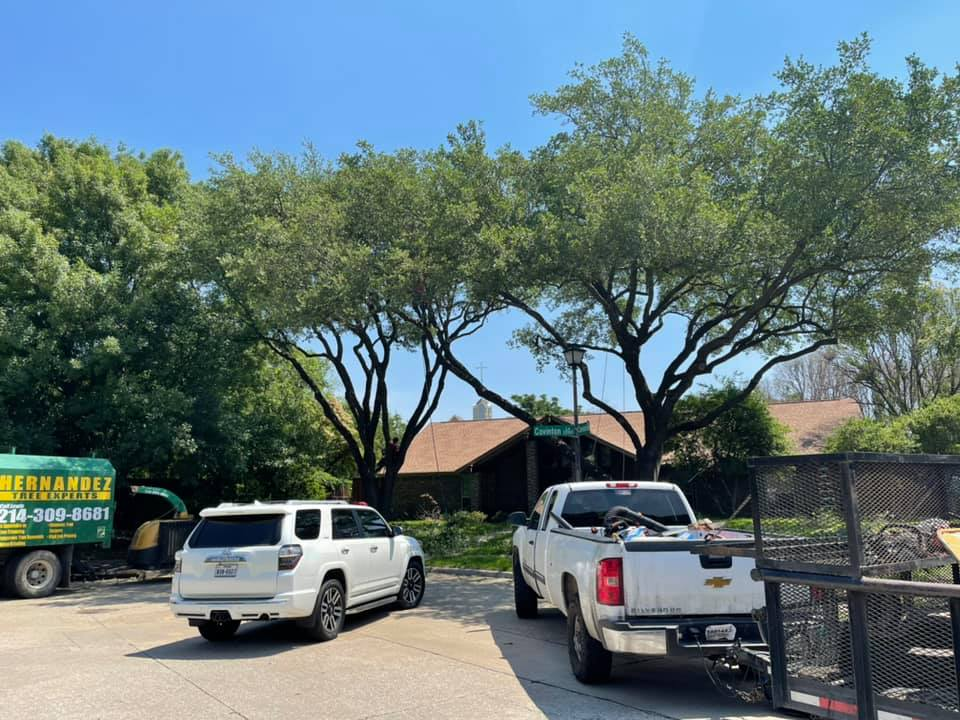
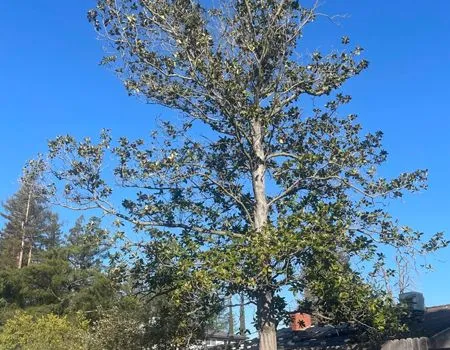
Trees with dense, uneven, or heavily weighted canopies are more vulnerable to wind damage. Excessive growth on one side can create an imbalance that increases stress on the trunk and root system. Professional pruning can help reduce wind resistance and improve structural stability.
Large Dead or Broken Branches
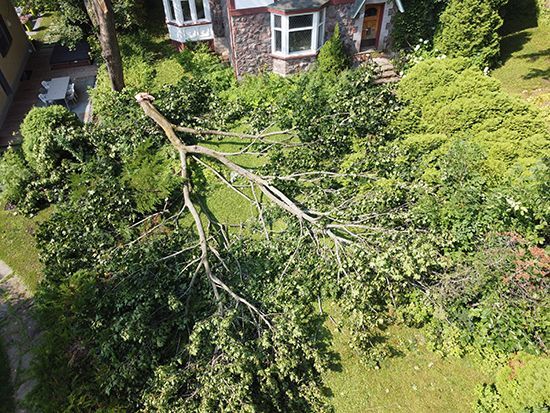
Dead branches are often brittle and weak, making them more likely to break during strong winds. Large limbs hanging over structures, vehicles, or walkways present a particularly serious hazard. Deadwood removal can significantly reduce the risk of storm-related branch failure.
Hazardous Tree Removal in Plano, TX
For
expert tree removal in Plano and the surrounding area,
contact Hernandez Tree Experts at
(214) 309-8681. Feel free to give us a call to request an arborist estimate in greater Plano!