

Is my tree creating a safety risk for my home? Watch out for these warning signs
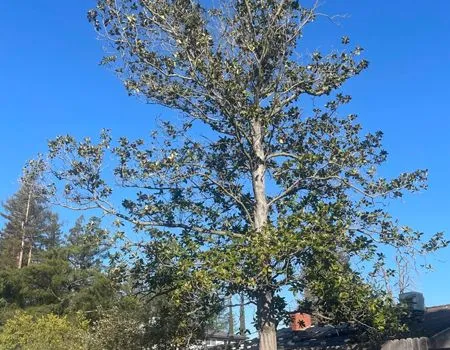
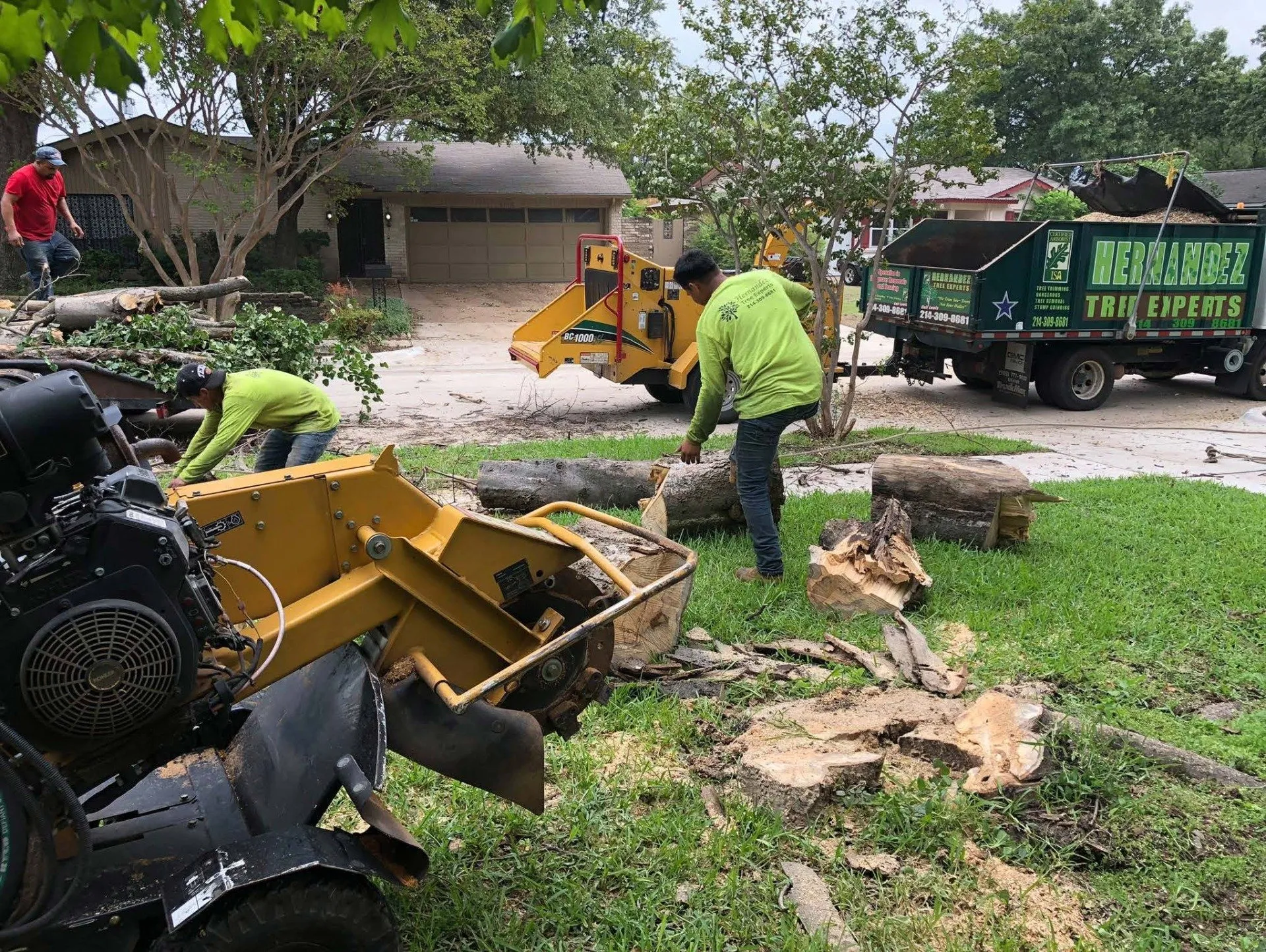
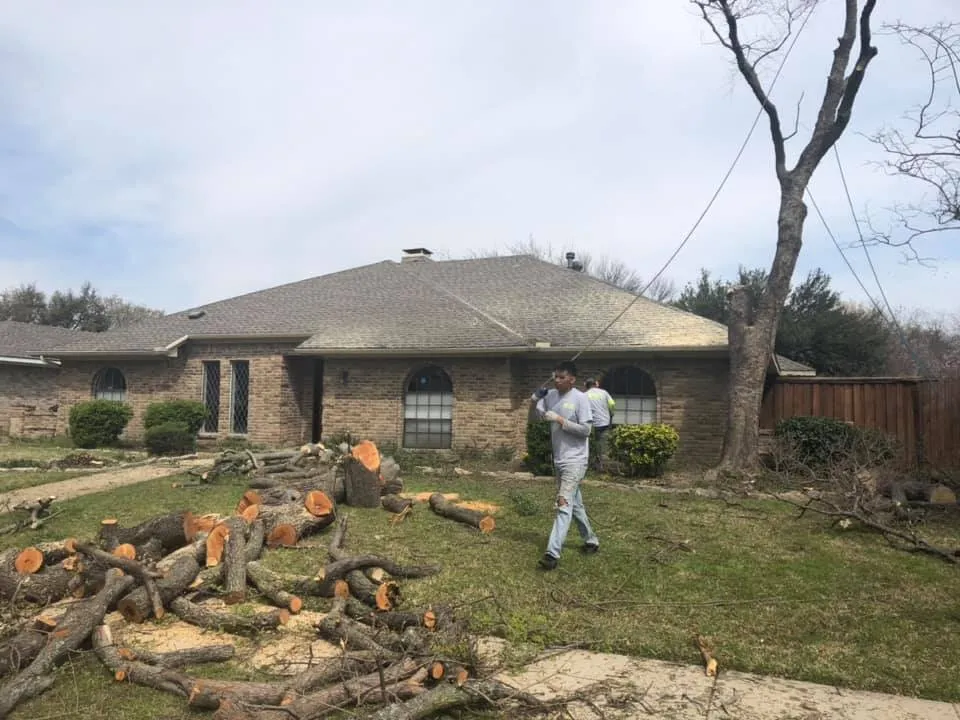
When a big tree grows too close to your home or begins to decline, it can quickly become a serious hazard. The key is recognizing the warning signs early and taking action before a more dangerous situation develops. At Hernandez Tree Experts, our local arborists can identify and remove hazardous trees as needed. Here are five signs that a tree may be threatening your home and should be professionally evaluated for removal.
Leaning Toward Your Home
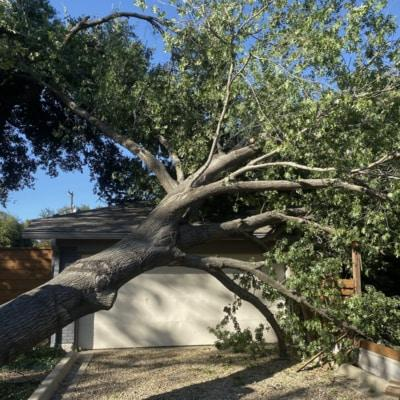
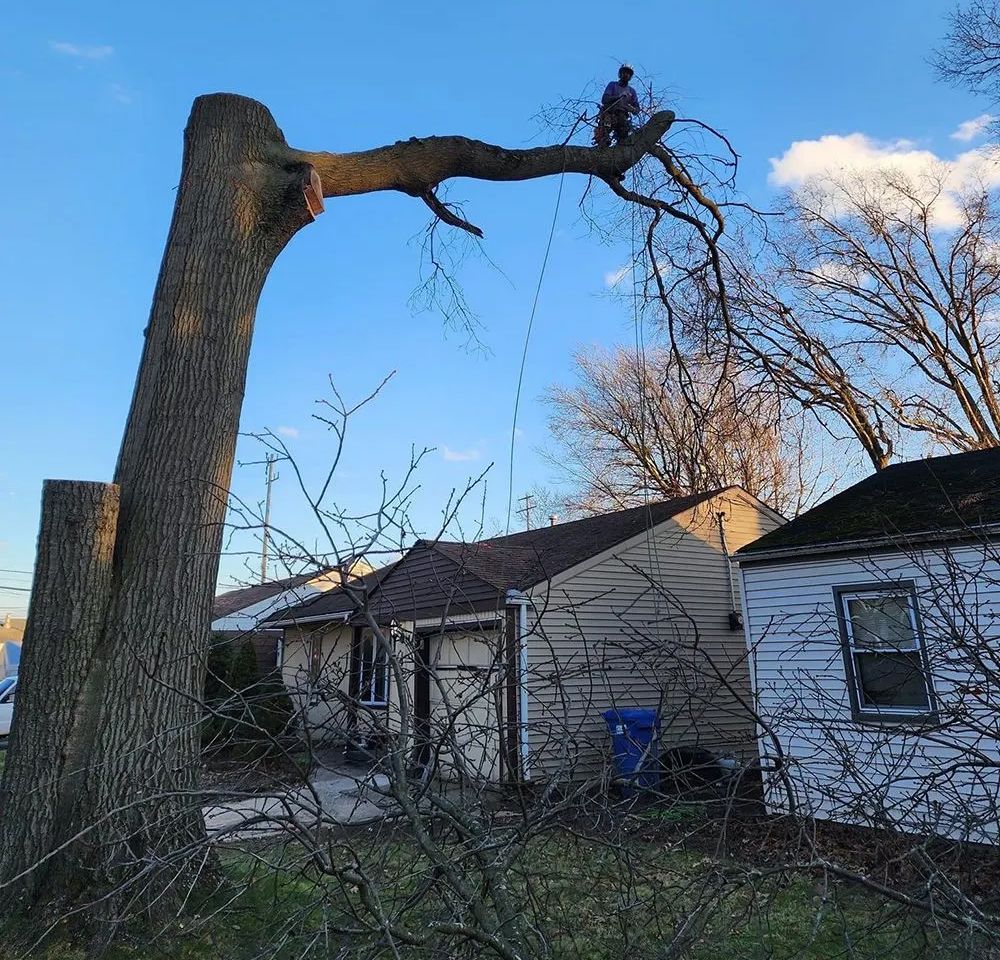
A tree that is leaning in the direction of your house is one of the most obvious red flags. While some trees naturally grow at an angle, a sudden or increasing lean often indicates instability. This could be caused by root damage, shifting soil, or storm impact. If the tree appears to be tilting more over time, especially toward your home, it’s important to call the arborist.
Large Overhanging Branches
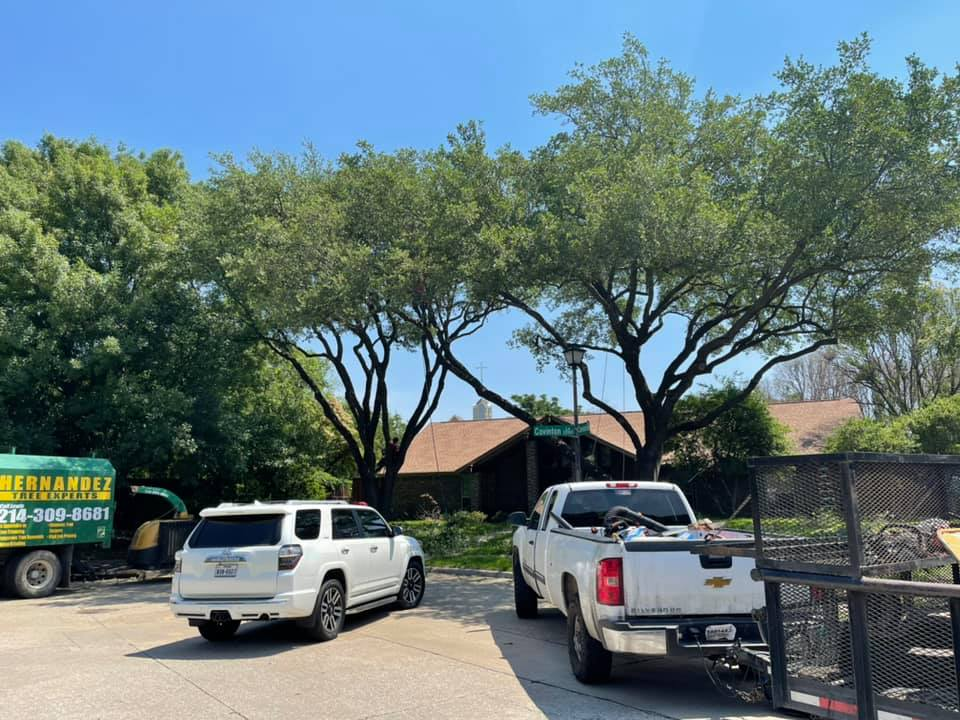
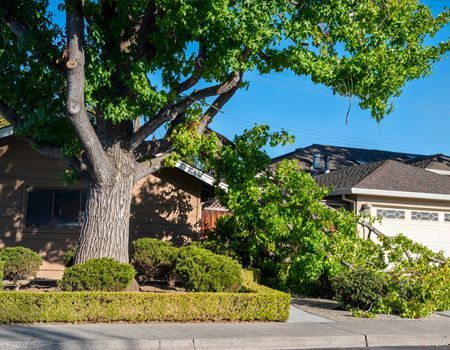
Branches that extend over your roof can cause damage even if the tree itself is stable. During storms, these limbs can break and fall onto your home, damaging shingles, gutters, or windows. Even without severe weather, constant contact with branches can wear down roofing materials over time. Trimming may help in some cases, but large, heavy limbs close to your home should be carefully assessed.
Splits in the Trunk
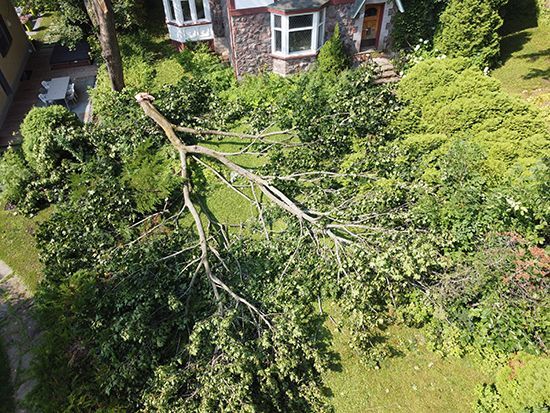
Cracks or deep splits in the trunk are serious structural concerns. These weaknesses can develop from storm damage, disease, and internal decay. A compromised trunk is less able to support the tree’s weight, increasing the likelihood of failure. If a damaged tree is located near your home, the risk of significant property damage rises considerably.
Signs of Root Damage or Soil Disturbance
A tree’s stability depends heavily on its root system. If you notice exposed roots, lifted soil, or areas of ground heaving near the base, it may indicate that the tree is losing its foundation. Construction and erosion can damage roots and weaken the tree’s ability to stay upright. A tree with compromised roots is far more likely to fall, especially during storms.
Dead or Dying Sections
Dead branches, thinning foliage, or sections of the tree that are no longer producing leaves can indicate serious decline. A dying tree is more brittle and prone to breakage, making it a greater threat to nearby structures. If large portions of the tree appear lifeless, it may not be able to withstand environmental stress, increasing the risk to your home.
Tree Removal in Plano, TX
For
expert tree removal in Plano and the surrounding area,
contact Hernandez Tree Experts at
(214) 309-8681. Feel free to give us a call to
request an arborist estimate in greater Plano!