

5 General Signs that It’s Time to Remove a Tree
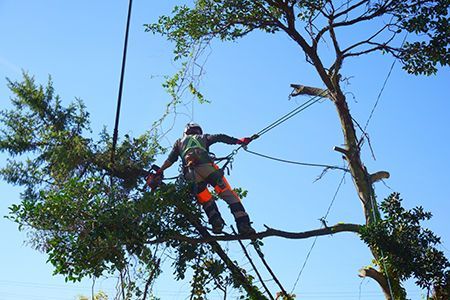
Knowing when a tree should be removed is essential for maintaining safety and protecting your home and landscape. While not every issue calls for immediate removal, certain warning signs are clear indications that a tree may be beyond saving. At Hernandez Tree Experts, we provide top-quality tree removal in the greater Plano area. Here are five general signs that it’s time to remove a tree.
The Tree Shows Significant Structural Damage
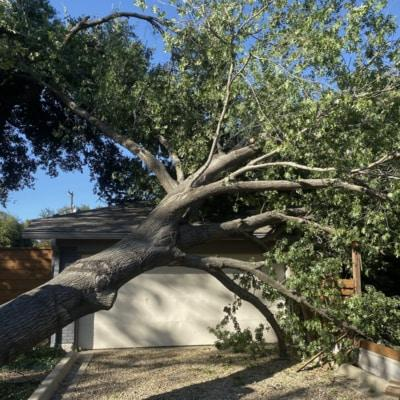
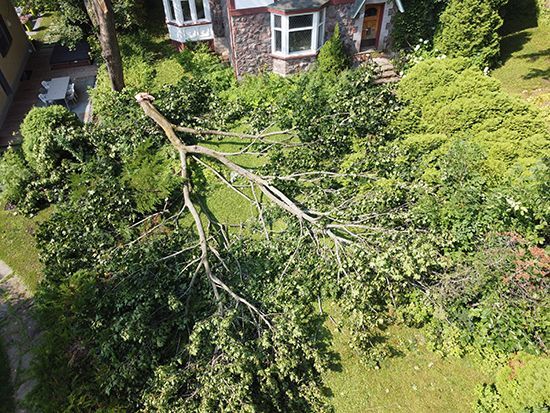
When a tree’s trunk or major limbs are compromised, its stability becomes questionable. Large cracks, deep splits, or areas of missing bark can indicate severe structural problems. A tree with a hollow trunk may also lack the internal support it needs to stand strong, even if the canopy still looks mostly full. Structural damage makes trees far more likely to fail during storms or high winds, posing serious risks to people and property.
The Tree Is Suffering from Advanced Disease
Some tree diseases can be treated, but others progress quickly and leave the tree too weak to recover. Signs of serious disease include widespread leaf discoloration, extensive fungal growth, and large dead patches of bark. A diseased tree not only becomes a safety hazard, but can also spread pathogens to nearby healthy trees, often making removal the best option.
The Tree Has Severe Root Problems
A tree’s root system is its foundation, and once it becomes compromised, the entire tree is at risk. Signs of root problems include visible decay, soil heaving at the base, and sudden leaning. Construction damage, poor soil drainage, and aggressive fungi can all cause serious root deterioration. When the roots can no longer support the tree, removal is usually necessary.
The Tree Is Leaning in a Dangerous Direction
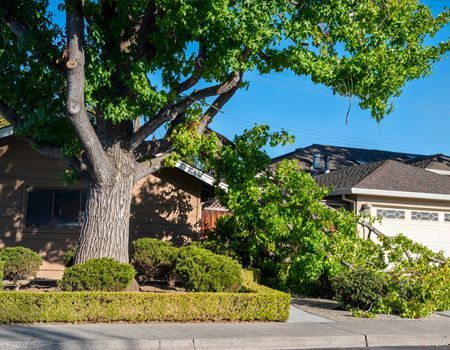
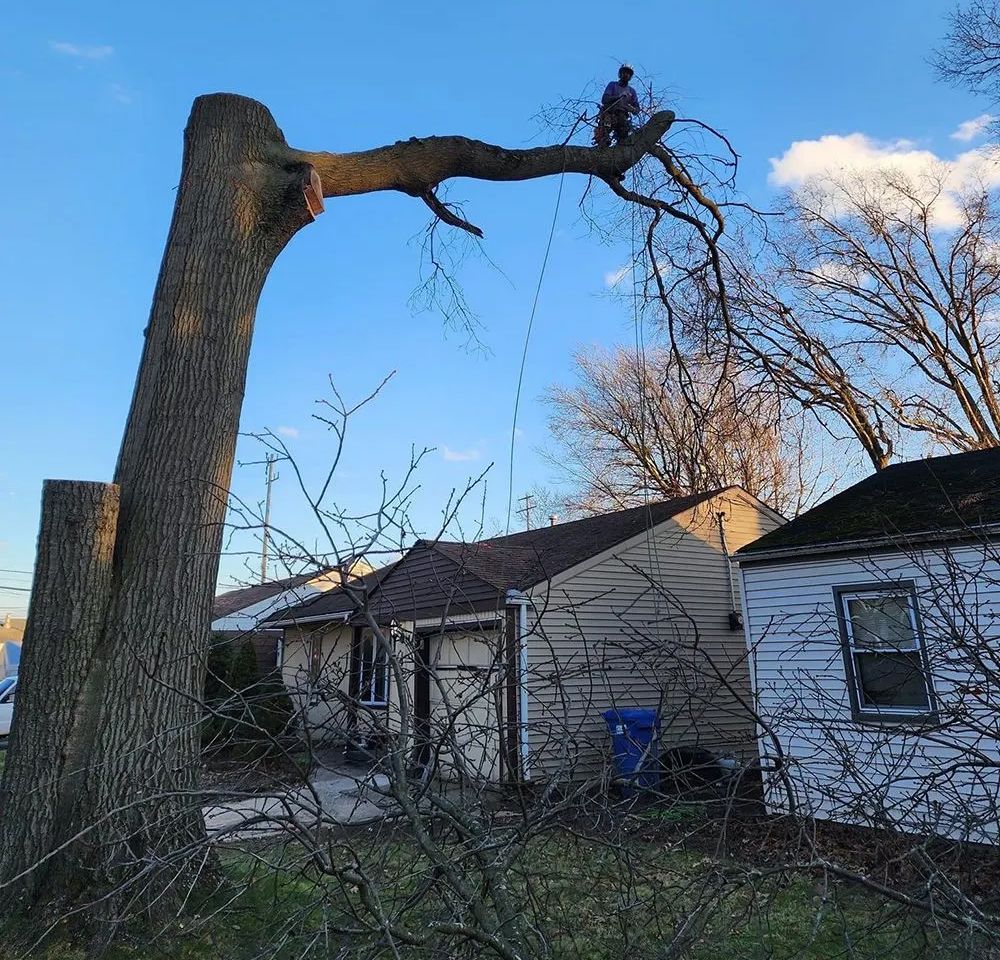
Not all leaning trees are unsafe, but a new or rapidly increasing lean is a sign of instability. If a tree begins leaning toward your home, driveway, power lines, or areas where people spend time, it should be professionally evaluated ASAP. A sudden lean often suggests root failure or internal decay. In such cases, removing the tree can prevent a potentially catastrophic fall.
The Tree Has Extensive Deadwood
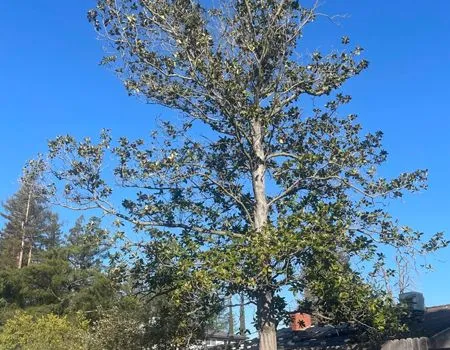
Dead branches are common on older trees, but large amounts of deadwood throughout the canopy indicate that the tree is struggling to survive. Dead limbs can fall without warning, especially during storms, and may signal widespread decline.
Tree Removal in Plano, TX
When you need an
arborist in Plano and the surrounding area, contact Hernandez Tree Experts at
(214) 309-8681. Feel free to give us a call to request an arborist estimate in greater Plano, TX!